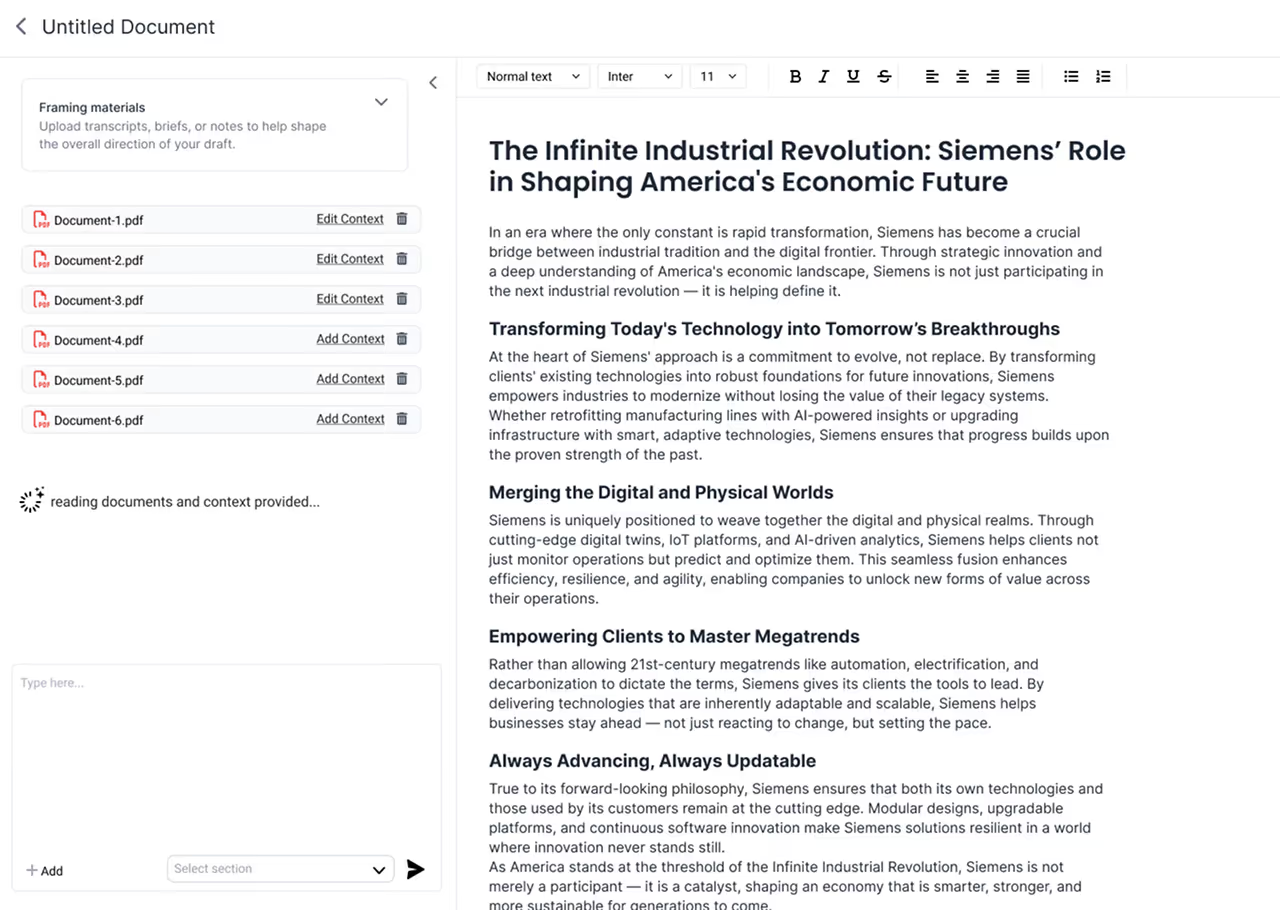
A writing and communications consultancy producing technical documentation and thought leadership content for enterprise clients needed a smarter way to support their writers. The existing written content generation workflow forced writers into a slow and fragmented experience: writing in one place and using AI to generate written content in another.
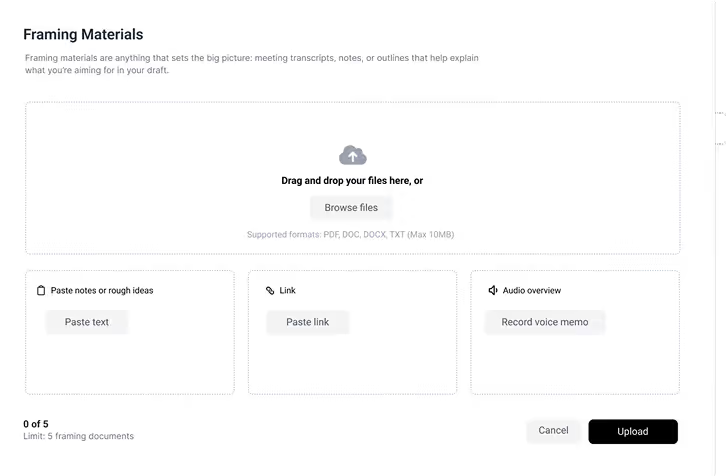
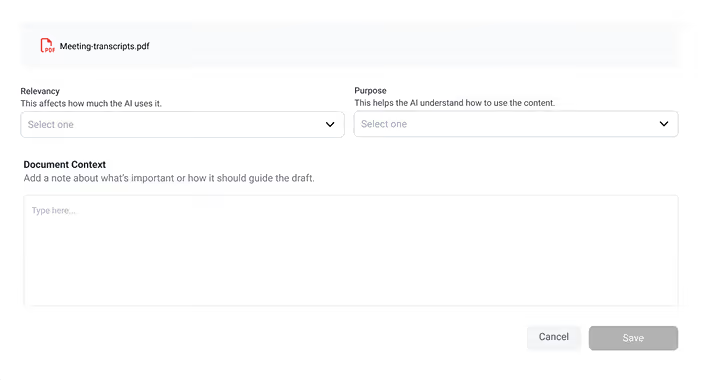
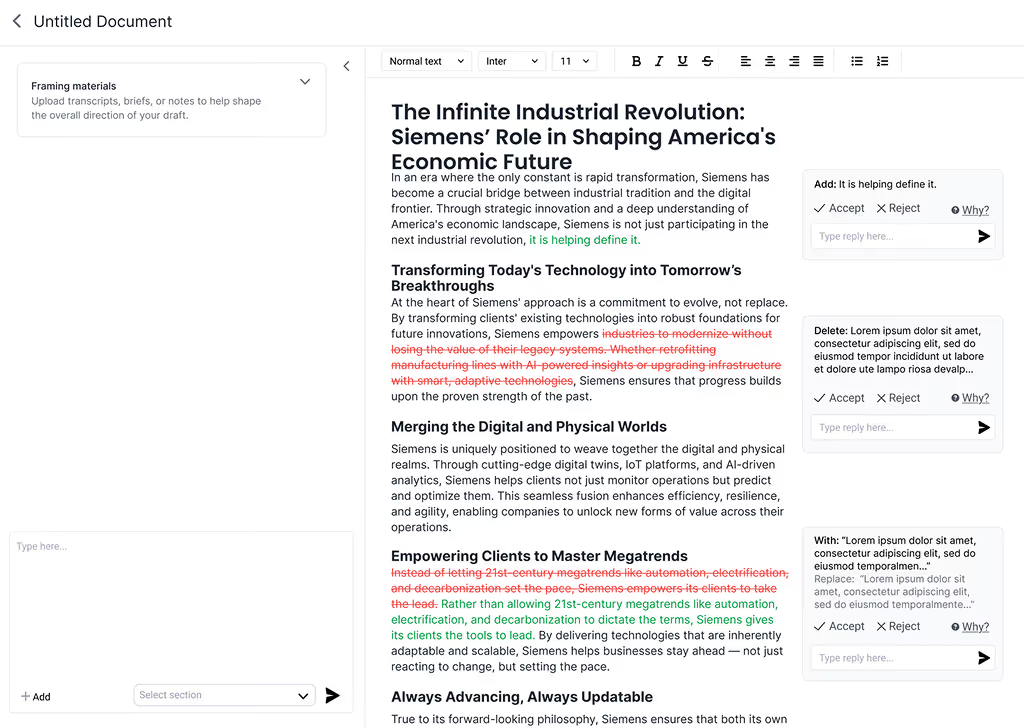
The interface is a Google Docs-style editor with AI embedded directly at the document level. Writers can attach reference materials in different formats (written or audio) and assign each a role, such as tone reference, source material, or client feedback. This gives the AI the right context to work with, resulting in more accurate and relevant output
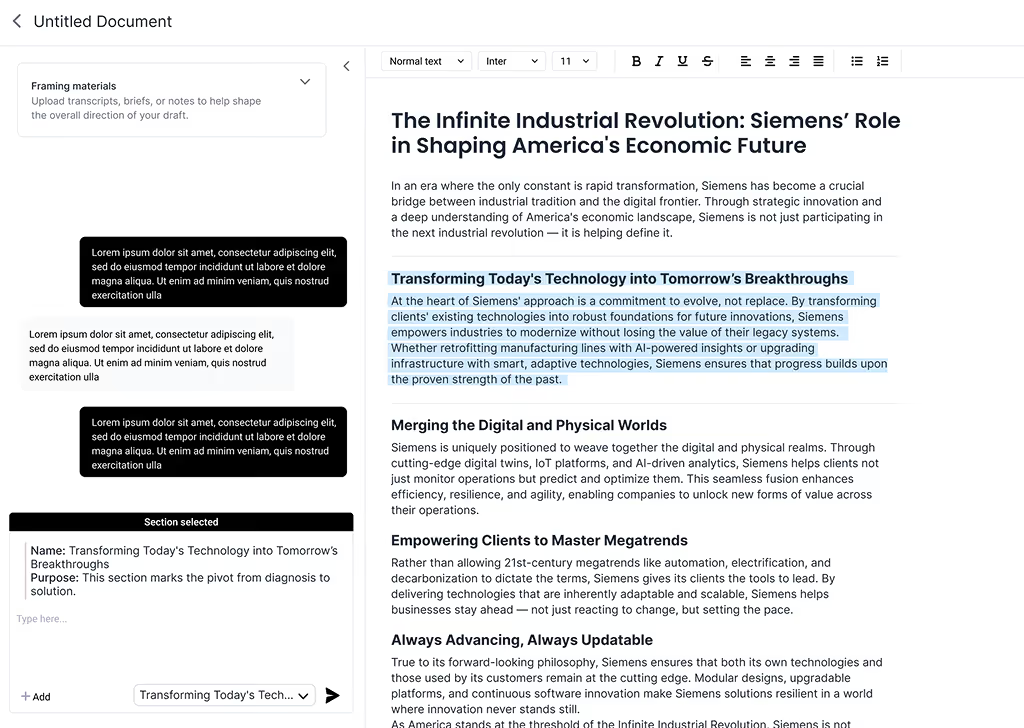
Writers have more control over edits by selecting entire sections or making inline changes, ensuring revisions stay exactly where intended. Any AI-generated changes are surfaced as tracked edits, so writers can review, accept, or reject each one before it becomes part of the document. This prevents unexpected rewrites elsewhere in the document and better reflects how collaborators naturally edit and refine each other's work. The result is a writing environment that better supports the process of professional long-form writing.
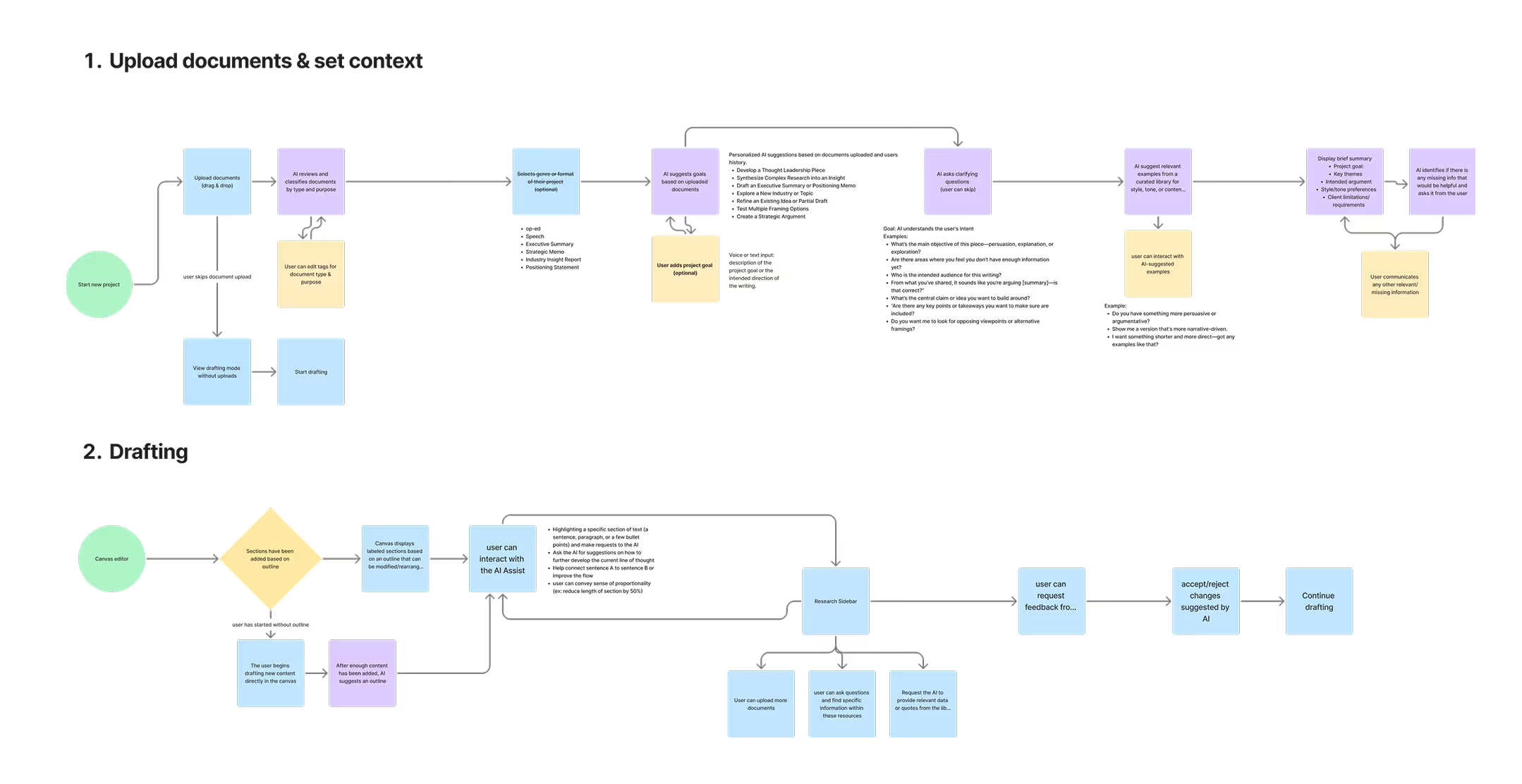
The project followed a design thinking approach starting with discovery sessions with the agency's writers. We mapped their existing workflow, understanding how they used AI tools day-to-day, and identifying where the friction was and where there were opportunities to integrate AI. From there, requirements were gathered and translated into user flows and wireframes, which were tested and iterated.

A marketing tool for brands to collaborate with influencers